Building Peace Through Rights, Education and Opportunity.
AIPS advances peacebuilding by supporting Afghan women and communities through education, digital skills, and economic empowerment, alongside research and documentation that inform human rights advocacy and policy.
Our Story
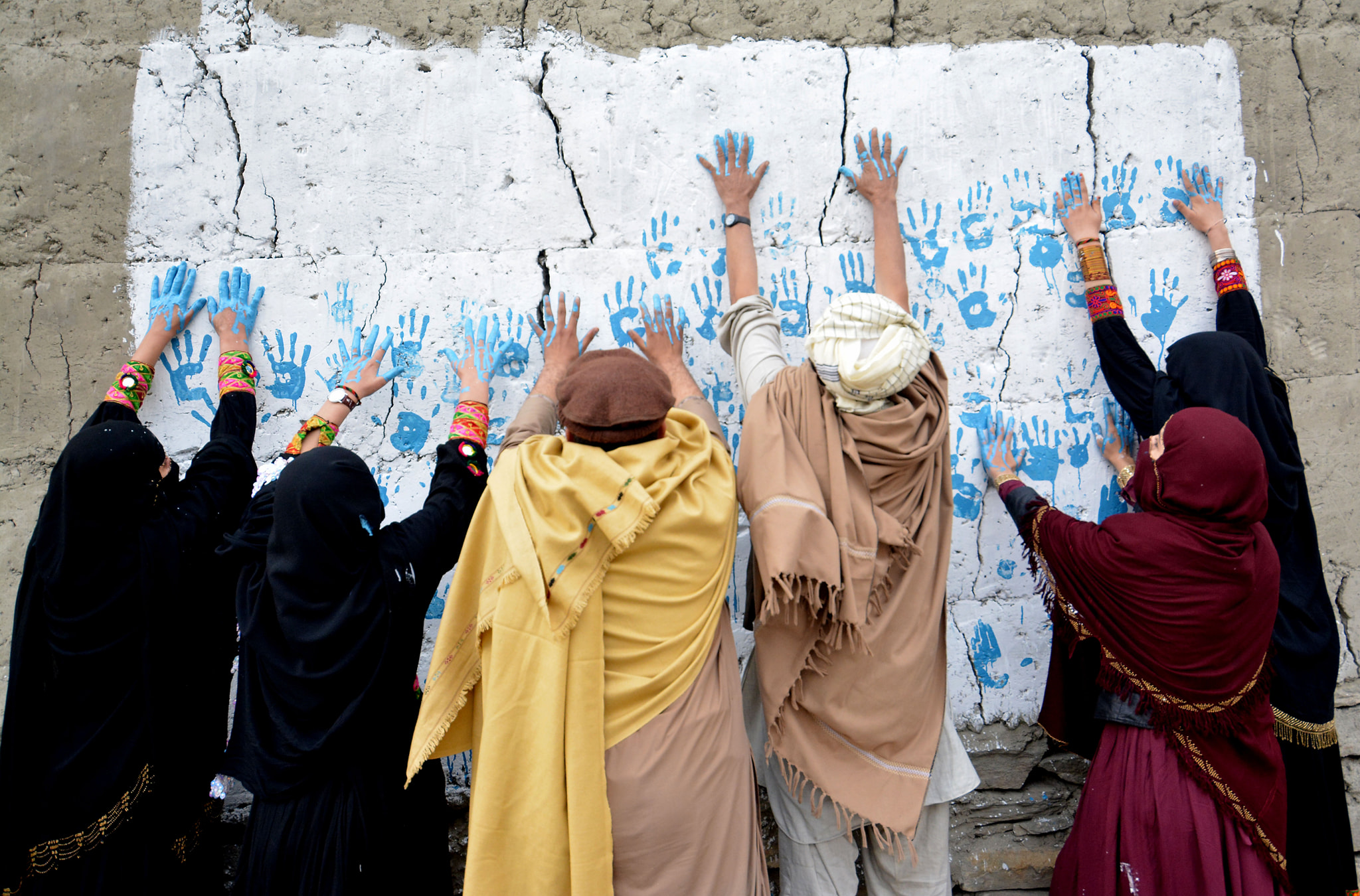
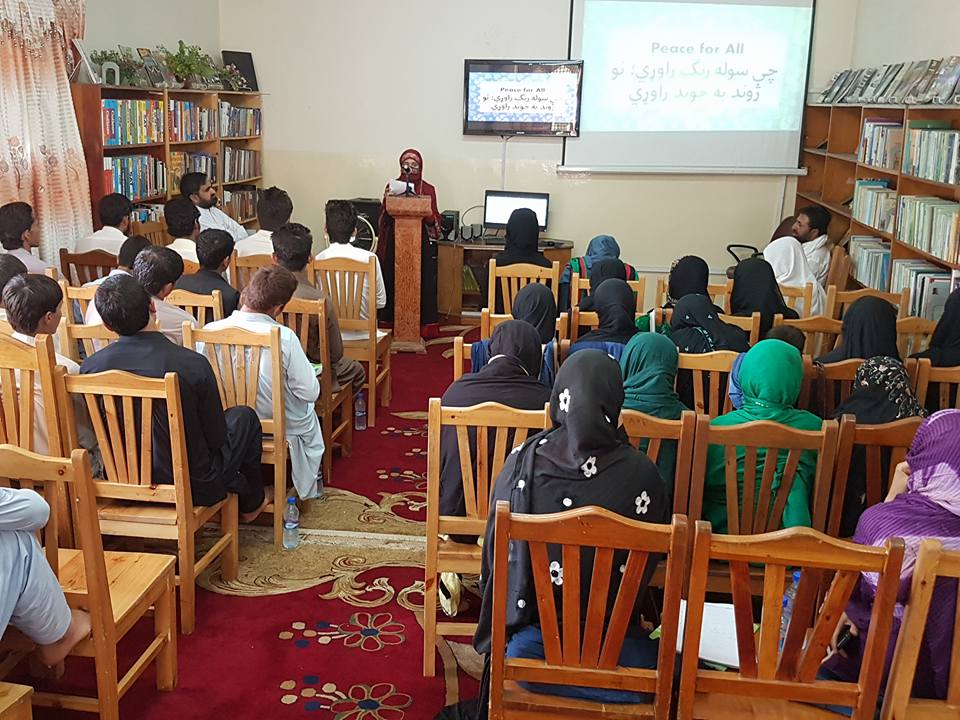
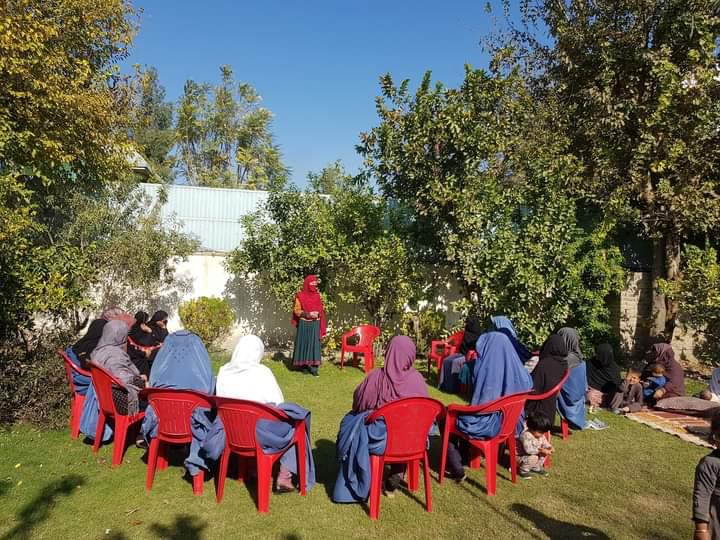
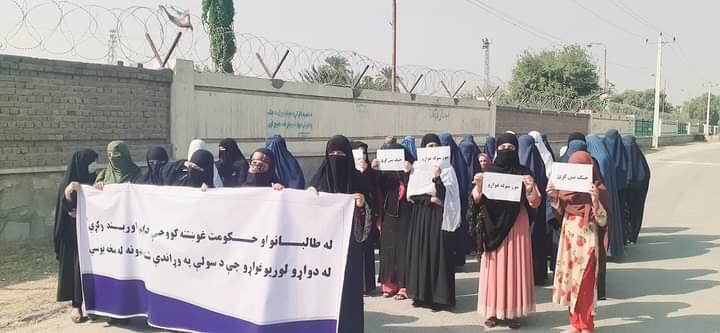
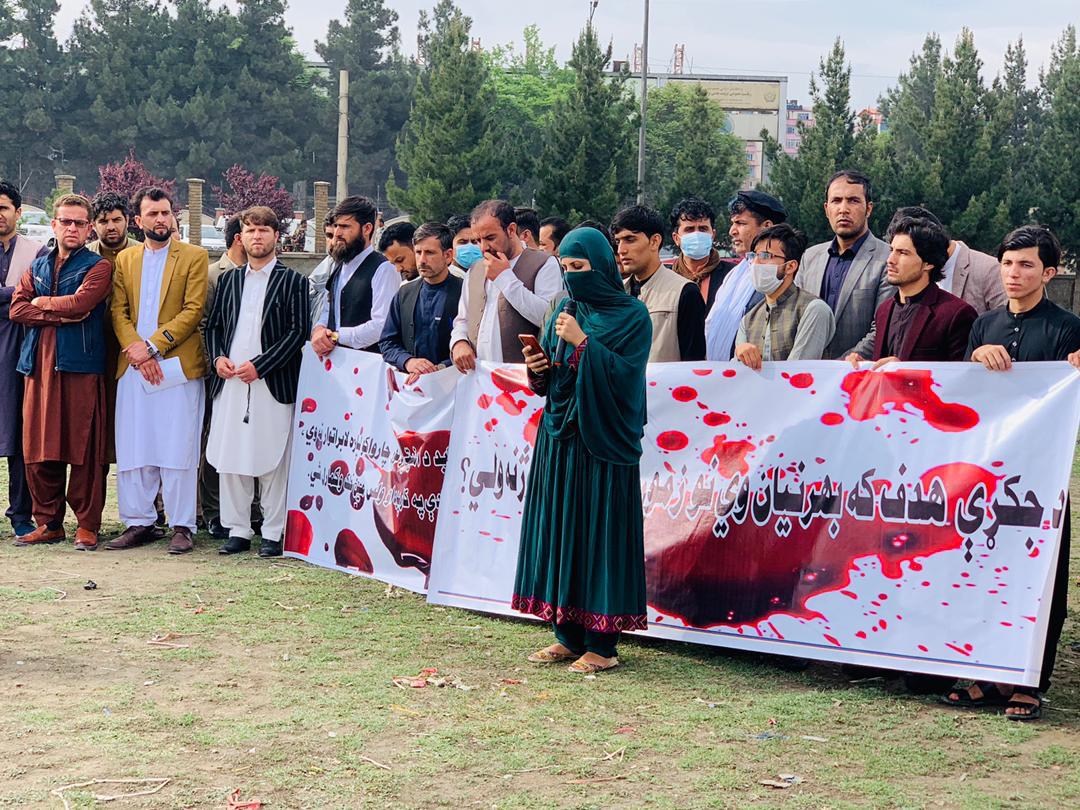
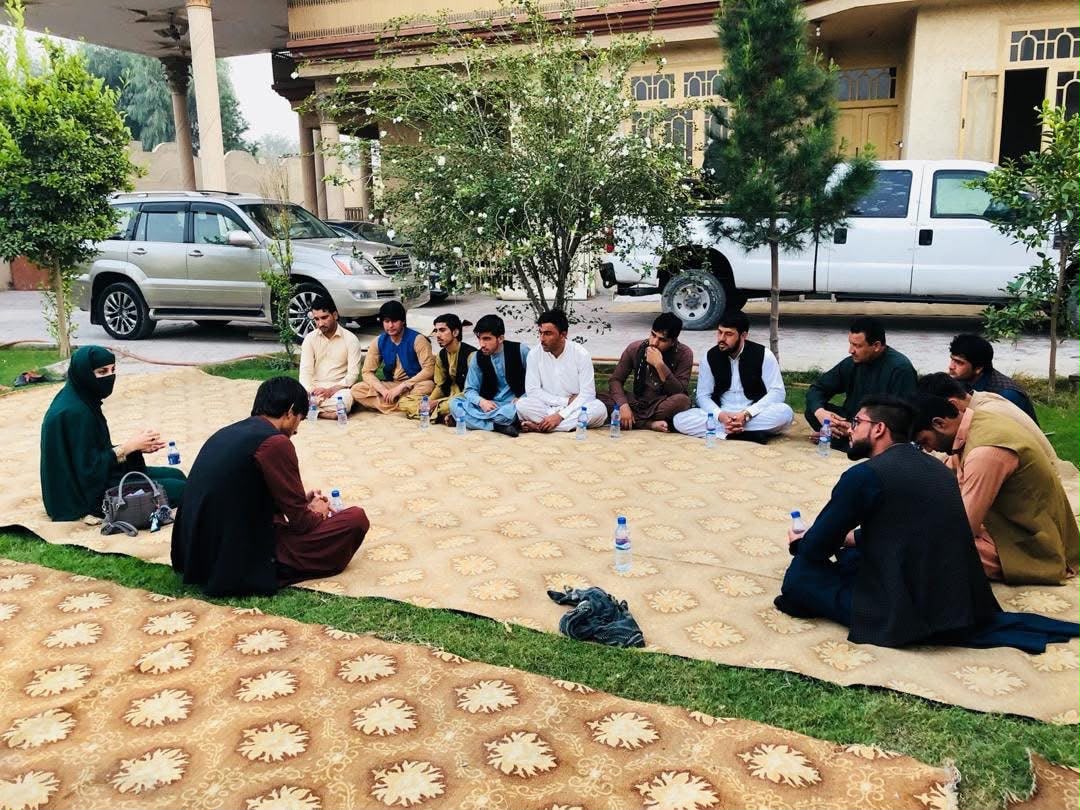
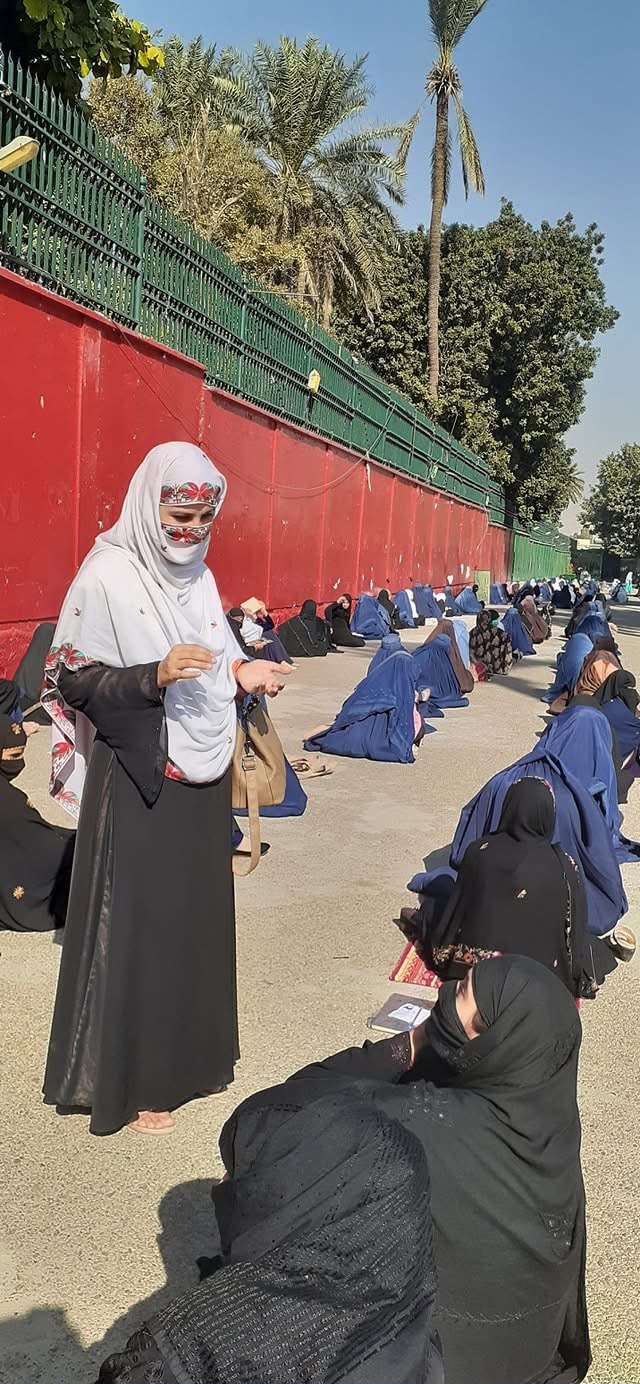
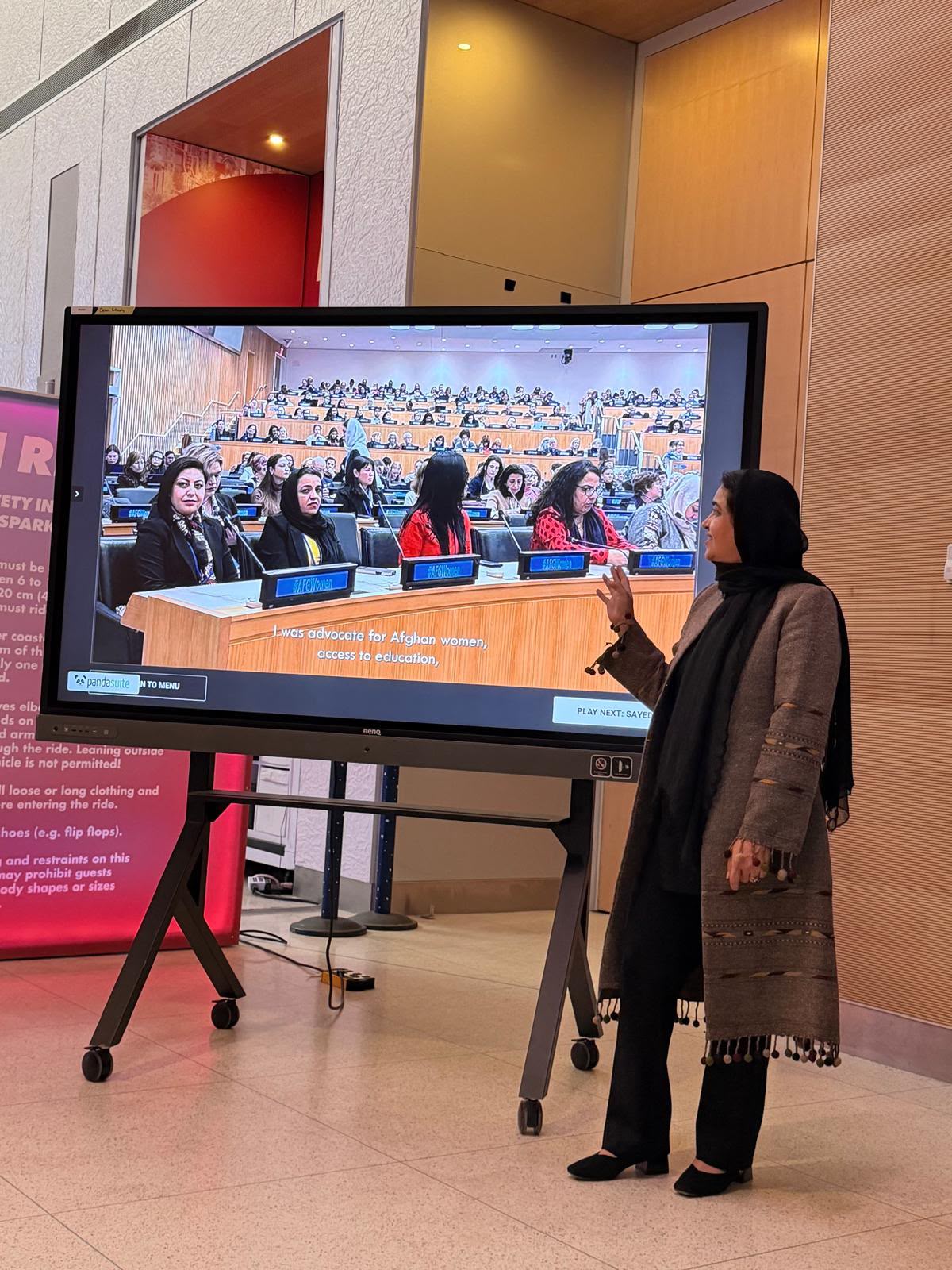
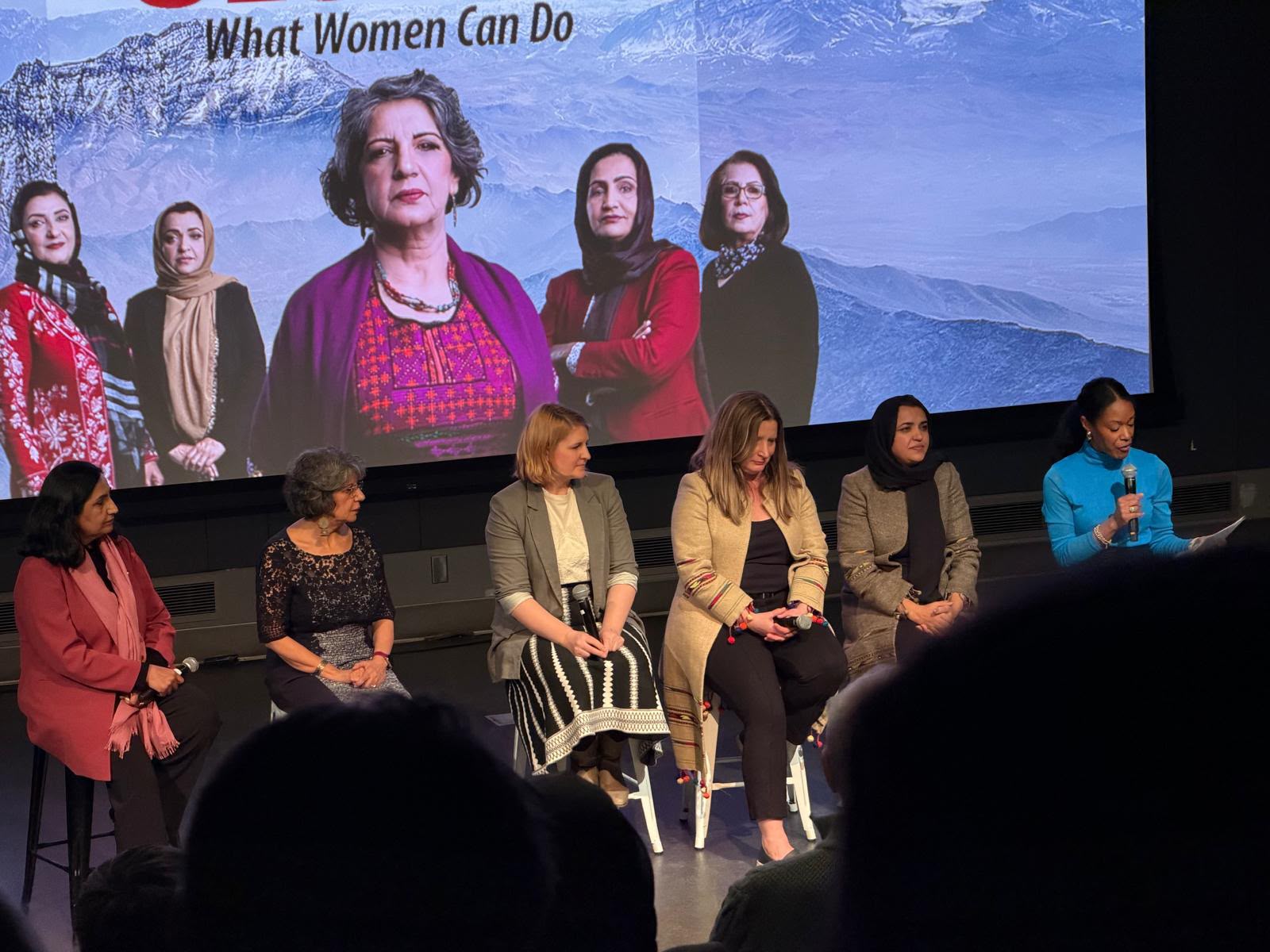
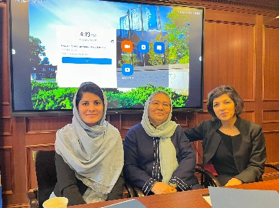
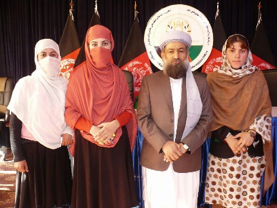
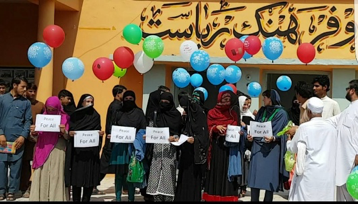
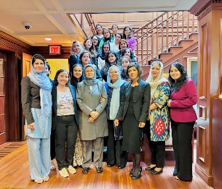
The Afghanistan Institute for Peace and Stability (AIPS) builds on community initiatives that began in Afghanistan in 2008, supporting girls’ education, women’s rights and youth participation. These experiences shaped our conviction that lasting peace and stability depend on human dignity, equal opportunity, and communities having a voice in their future. Today, AIPS brings together Afghans within Afghanistan and across the diaspora to advance peacebuilding by promoting women’s rights and human rights through research, policy development, dialogue and advocacy. Our work includes education, digital skills, and economic empowerment, alongside monitoring and documenting women’s lives in Afghanistan. We also support civic engagement and community-led initiatives among Afghan-American and immigrant communities in the United States.
Our Vision
A peaceful, inclusive, and stable Afghanistan where all people can exercise their rights, access opportunities, and contribute to a prosperous future, while fostering empowered and civically engaged diaspora communities.
Our Mission
AIPS advances peacebuilding, human rights, women's rights, education, and inclusive development through research, advocacy, dialogue, community engagement, and policy initiatives in Afghanistan and among Afghan diaspora communities, particularly in the United States.
Core Values
Human Dignity & Education
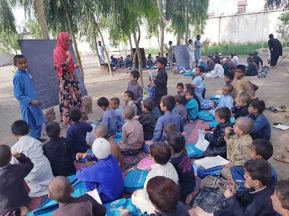
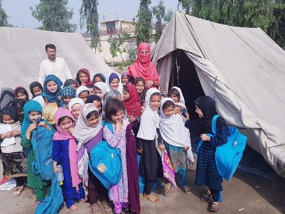
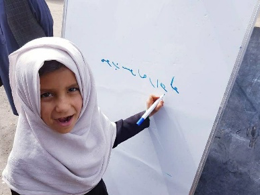
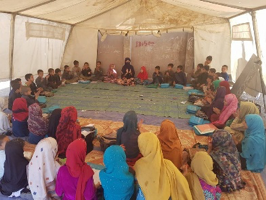
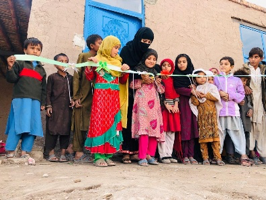
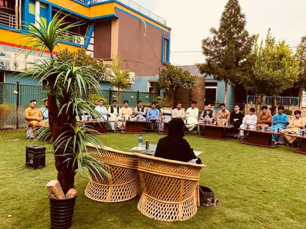
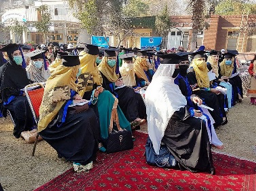
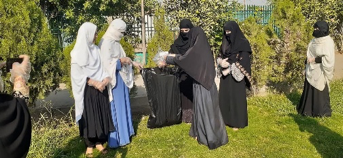
Human Dignity & Education Promoting human dignity and equal opportunity through education and digital skills. We help women, girls, and underserved communities gain the knowledge and confidence to continue learning, exercise their rights, and participate in public life.
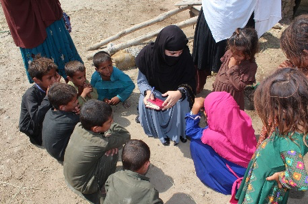
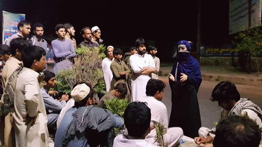
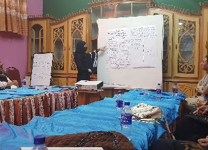
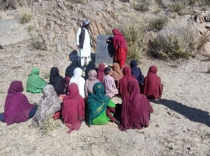
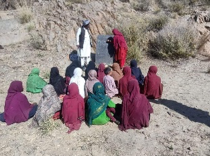
AIPS-WPS Monitoring and Evaluation Mechanism
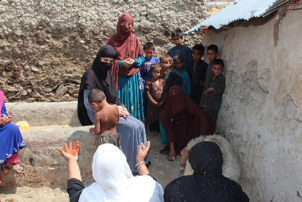
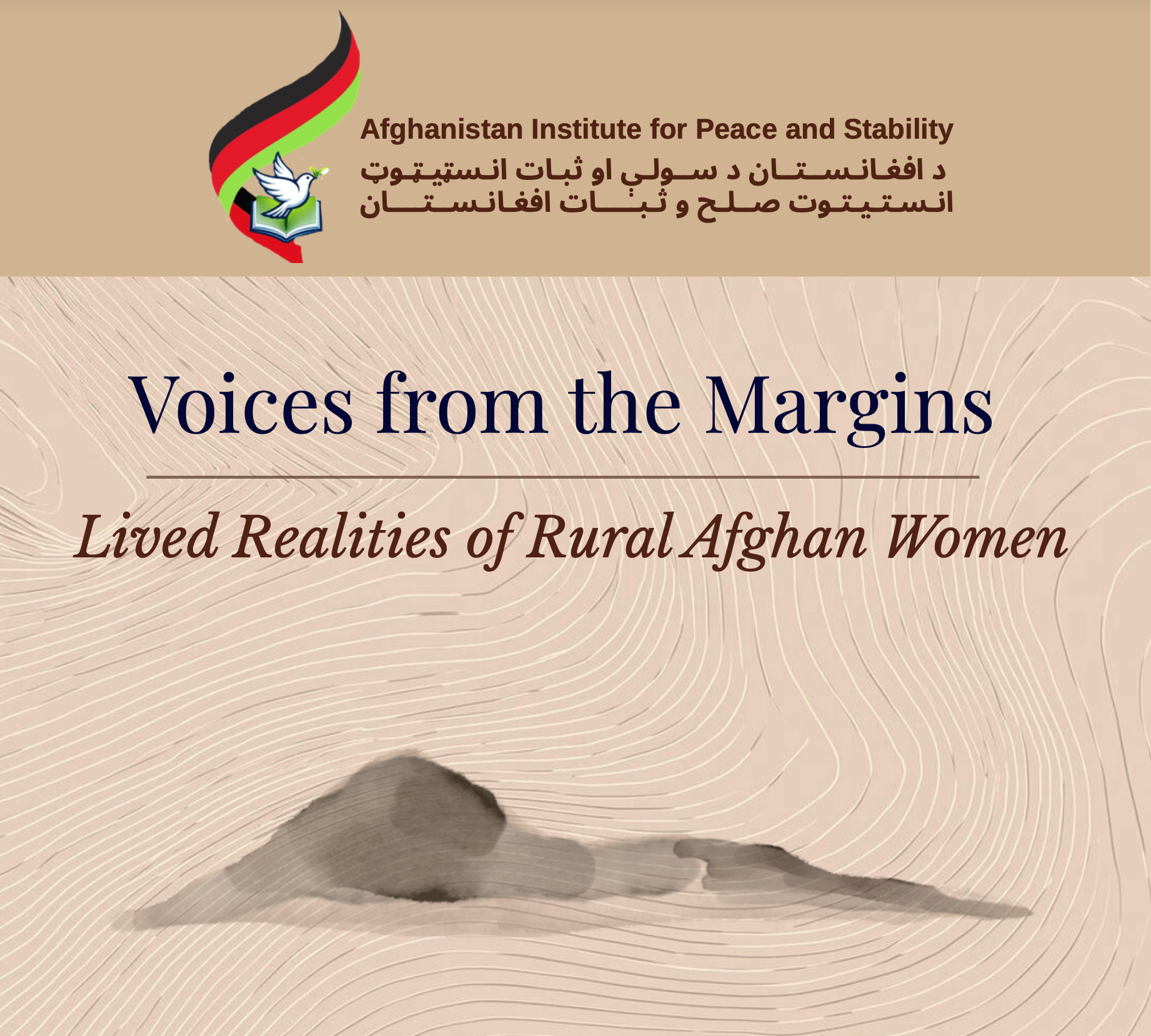
Monitoring and document Afghan women’s lives, particularly in rural communities, and evaluating how Taliban policies and practices affect their rights, safety, education, and livelihoods. Through surveys, interviews, and ongoing research, we bring women’s experiences into advocacy and policy discussions and inform practical support.
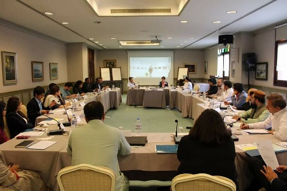
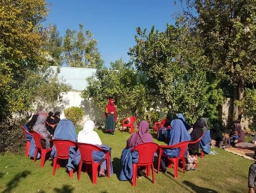
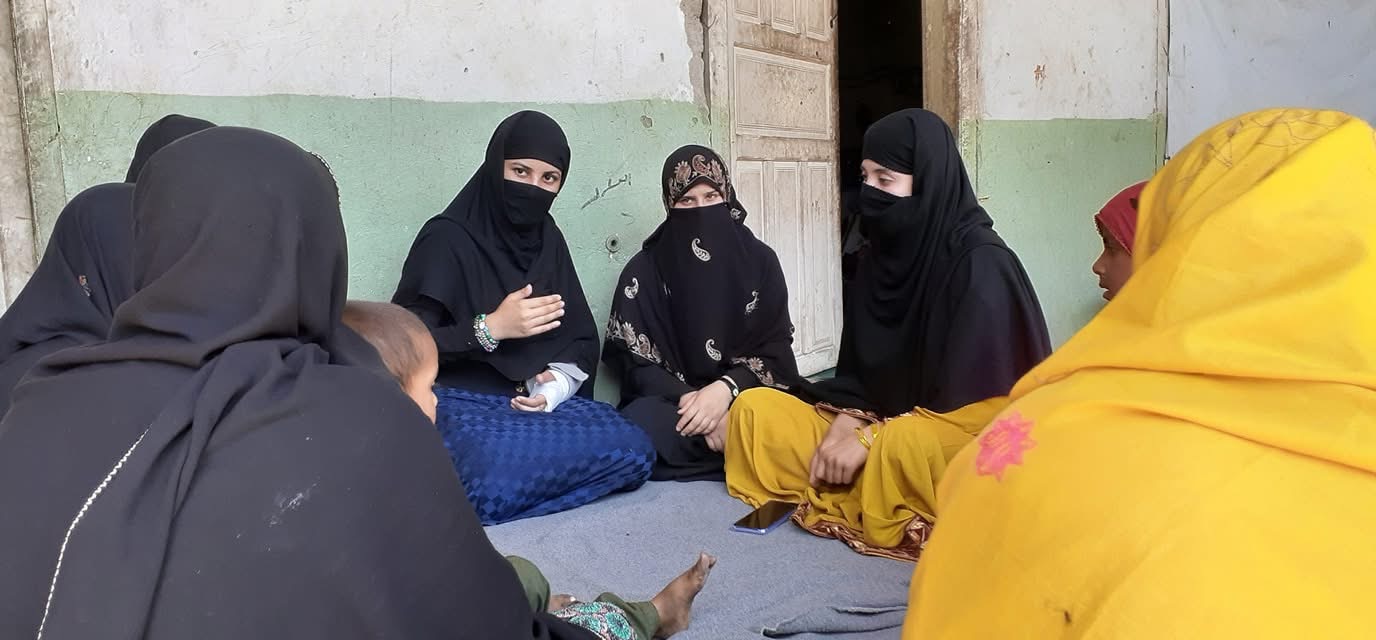
Peacebuilding & Dialogue
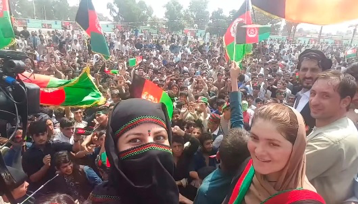
Building lasting peace through inclusive dialogue, human rights and community participation. We bring diverse voices together to address shared concerns, strengthen mutual understanding, and develop peaceful responses to conflict and exclusion.
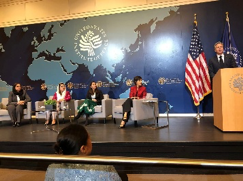
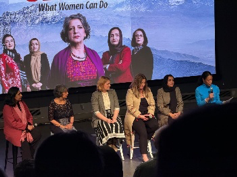
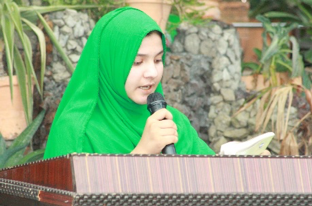
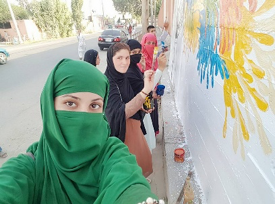
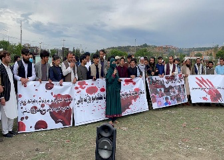
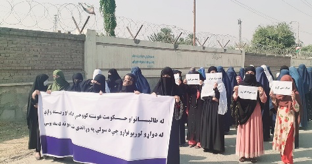
Community Empowerment & Inclusive Development
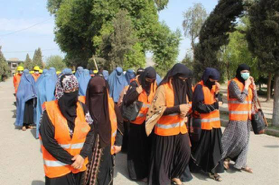
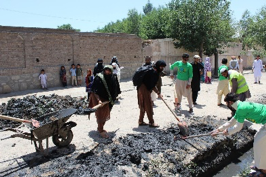
Strengthening communities through economic empowerment, skills development, and meaningful participation in decisions. We support local initiatives and partnerships that expand livelihoods, reduce inequality, and connect individual opportunity with lasting peace and stability.
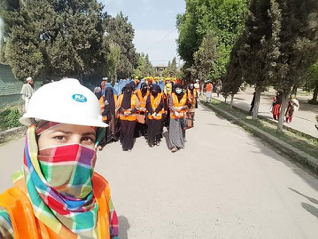
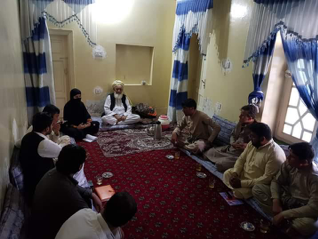
Featured Research
Upcoming Events
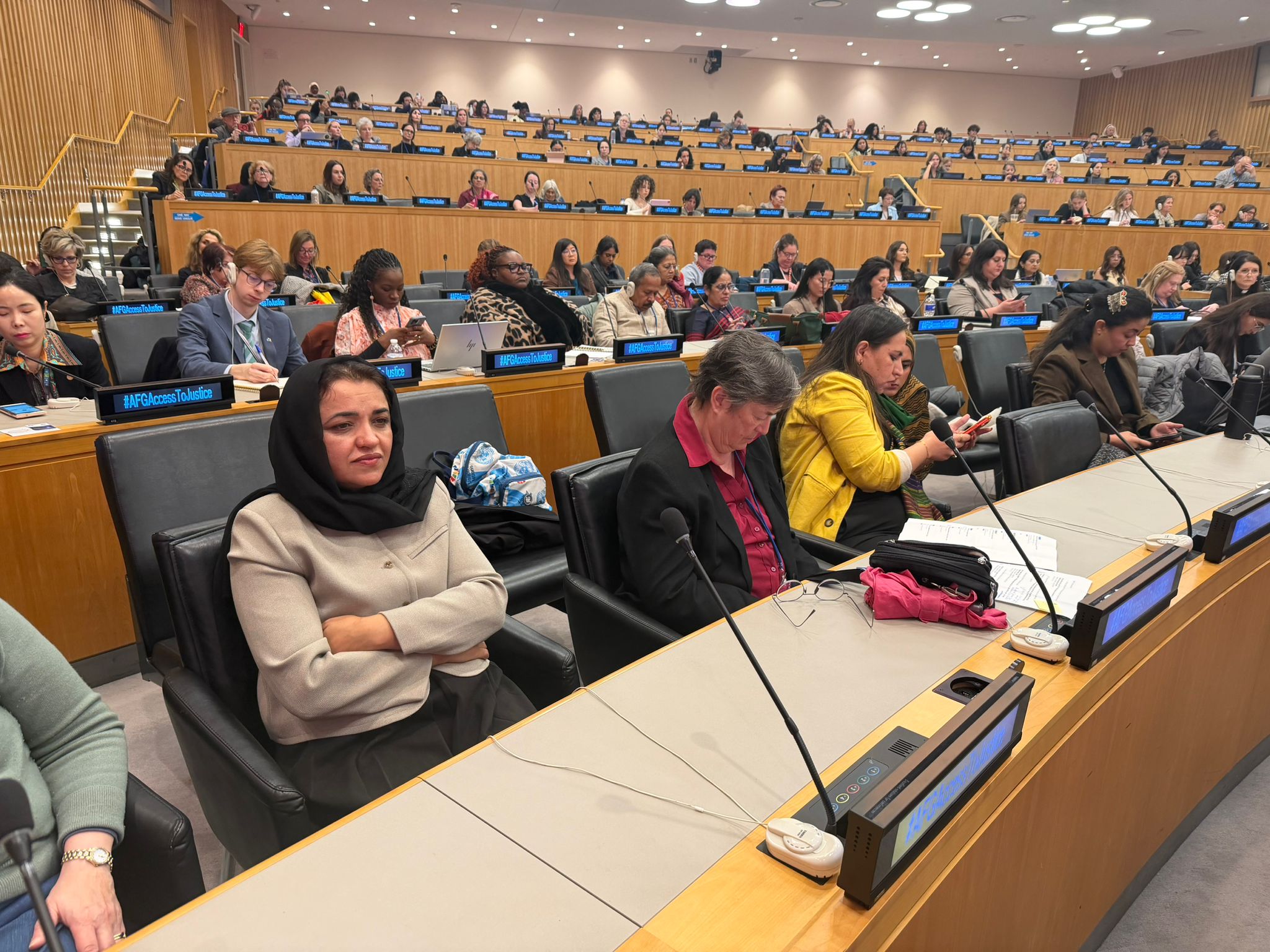
Monthly members meeting
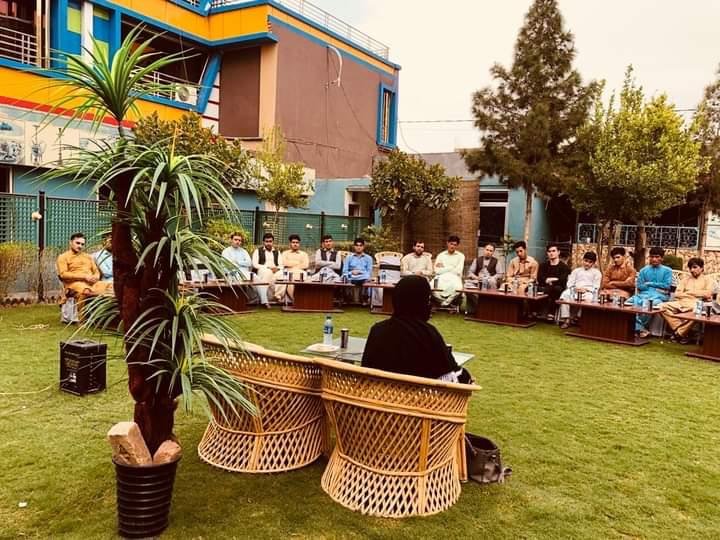
An event under Women's Rights & Inclusion in Richmond, VA
Our Leadership Team
AIPS is guided by recognized scholars, advocates, and experts committed to regional stability. However, Due to the current situation in Afghanistan, we can't share our team’s biographies here. Please contact us if you want to know more about our team. Thanks
No team members listed.